



Framed Prints From Alamy
Framed Print of This text from The Uganda Protectorate describes the geography
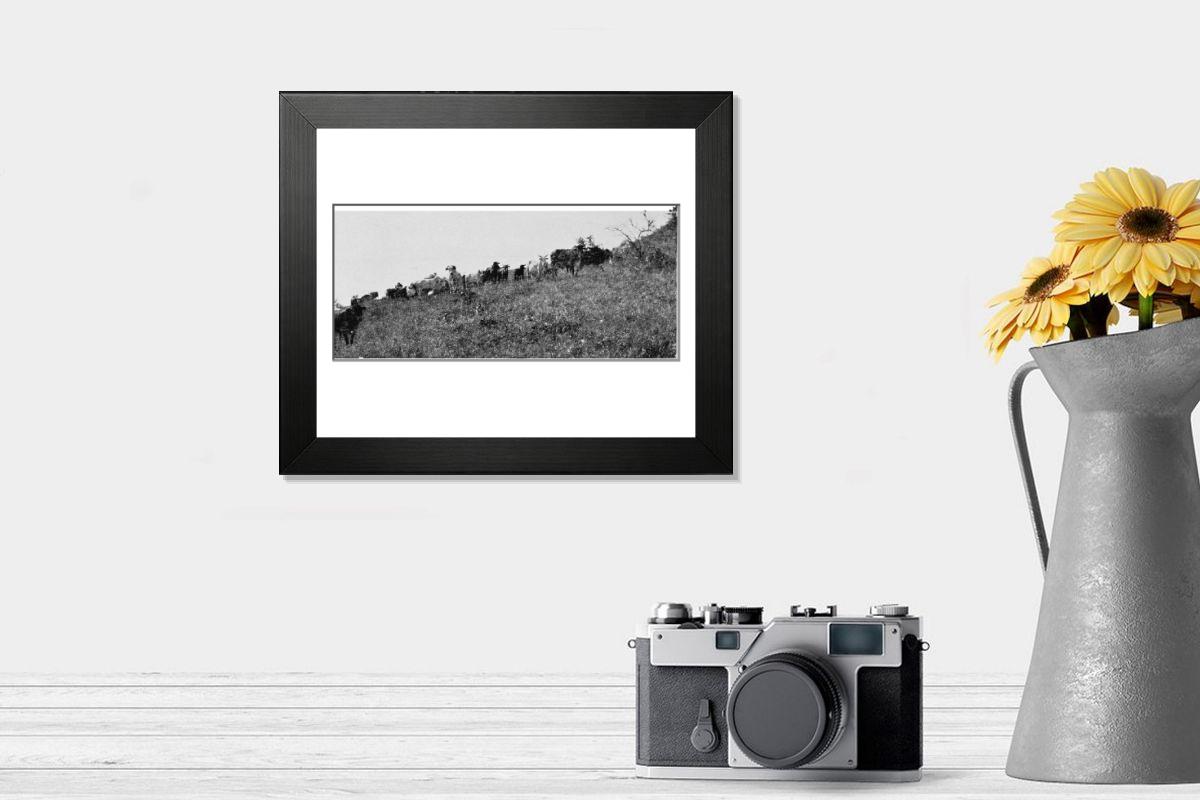
This text from The Uganda Protectorate describes the geography, botany, zoology, anthropology, languages, and history of Uganda during British colonial rule. It also delves into local practices, such as cattle castration by various African tribes, including the Masai, Turkana, Suk, and Nandi. The Uganda protectorate; an attempt to give some description of the physical geography, botany, zoology, anthropology, languages and history of the territories under British protection in East Central Africa, between the Congo Free State and the Rift Valley and between the first degree of south latitude and the fifth degree of north latitude. African languages; Natural history; Ethnology. 811. MASAI, TURKANA, SUK, NANDI, ETC; castrate their cattle when the yonng bulls are arrived at maturity. An interesting description of their procedui-e in this case is given by Dr. J. R. Stordy (Government ^'eterinary Surgeon) in the Veterimiriari* A barren cow is not an infrequent occurrence in the Masai lierds, and such animals are selected for fattening and slaughter, as their meat is considered to be better eating than that of the bullocks. The milk is generally kept in long, bottle-shaped gourds with leather covers. Milk i.s always drunk fresh, and the gourds that contain it are carefully cleaned with burning grass or with a slightly acrid liquid made from the leaves of a sage-like ])lant. These methods of cleaning the gourd some- times impart a flavour to the milk not altogether agreeable to the. 452. MASAI CATTLE, NAKUEO European palate. The cattle are always branded with some mark peculiar to the owner, who may also cut their ears in some special way so that the beast may be easily recognised as his own property. After coming back from the pasture the cattle are carefully examined, generally in close contact with a large smoky fire, so that the ticks may be removed from their bodies. The cattle are perfectly amenable to small boys, who usually act as the cowherds. The goats and sAeejs belong to the breeds common to so much of Central Africa—the goat being small and plump, with short horns, while the sheep are hairy, hornless, with drooping ears and fat tails, though * October, 1900.. Please note that these images are extracted from scanned page images that may have bee. © Central Historic Books
Artwork Licensed From Alamy
Your chosen combination is quickly and professionally made to order, our shipping page has more details
If you are not entirely happy with your items, simply return them to us within 30 days for a replacement or full refund. Please read our full returns policy.
Media ID 50984793
Modern 12"x10"
Ready to Hang Contemporary Framed Prints adds style, protection, and a polished touch to your space - effortlessly.
Your artwork will be printed as shown in the preview. To adjust please select Edit Printed Image under the Buy button
Made and Shipped from within the USA or Canada as appropriate. Printed on 10"x8" Premium Matte Paper offering bright, white paper with a matte finish with a digitally rendered mat surround offering the timeless look of professionally mounted artwork. Our 1″ Frames are available in a range of colours with clear acrylic shatterproof glazing and Kraft pad backer. Matte Paper offer a lighter-weight alternative to fine art paper which is optimized for artwork and can be suitable for photography in scenarios where a less glossy appearance is preferred. This sustainable paper printing is an alternative to our premium fine art paper. Each frame is 1″ wide by 3/4″ deep and glazed using standard 1/16” clear PETG to protect and enhance the visibility of each print. Ready to hang with a sawtooth metal hanger and sturdy backer.
These are individually made so all sizes are approximate
Estimated Image Size (if not cropped) is 20.4cm x 9.1cm (8" x 3.6")
Estimated Product Size is 30.5cm x 25.4cm (12" x 10")